
Back to Learn

How EV Depreciation Impacts Lease Buyouts
Published 5/28/25
Updated 5/29/26
TL;DR (3-minute read): EVs depreciate faster than gas cars—especially in the early years—and that makes lease buyouts a mixed bag. If your EV’s market value is higher than its buyout price, you could save big. If it’s not? Walk away guilt-free.
You’ve spent the last few years bonding with your EV. You’ve dodged gas stations, cruised the HOV lane solo, and yes, explained “range anxiety” to at least five people. But now your lease is ending, and you’re staring down a big decision:
Do I buy out my electric car lease?
Before you put a ring on it (metaphorically speaking), let’s talk about the not-so-glamorous part of EV life: depreciation. When it comes to lease buyouts, what your EV is worth now compared to what your lease says it’s worth could make or break your decision.
First, What’s the Deal with EV Depreciation?
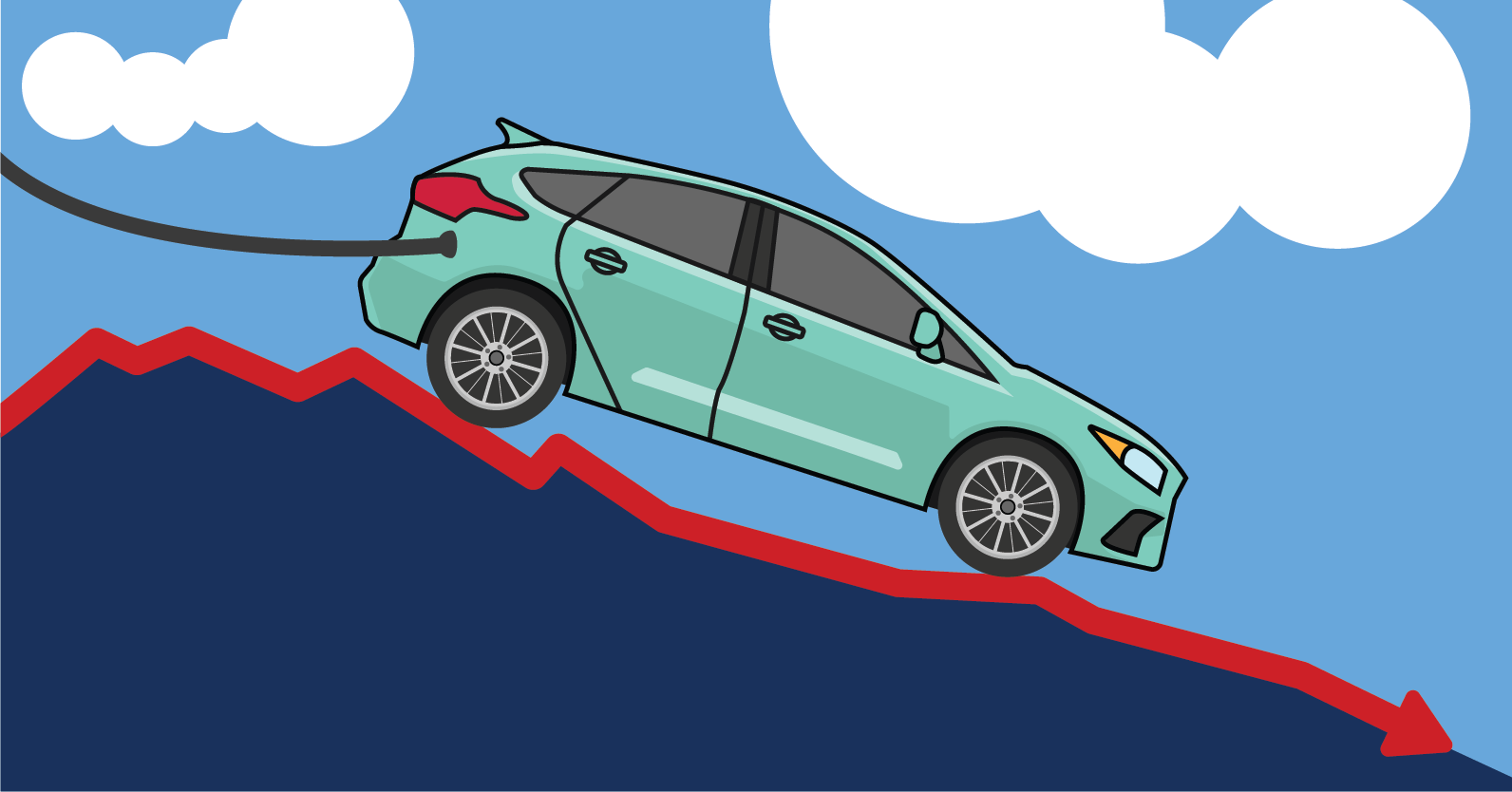
EVs, while awesome, tend to lose value faster than gas cars—especially early on. Why? A few reasons:
- Battery degradation: Most EV batteries lose about 2–3% capacity each year. It’s like a phone. It still works, but doesn’t hold a charge like it used to.
- Tech moves fast: That “cutting-edge” range or charging time from three years ago might already be outdated.
- Tax credits on new EVs: Federal incentives (up to $7,500) make new EVs cheaper, so used ones take a hit.
- Warranty cliff: Battery warranties usually last 8–10 years. Once that expires, resale value tends to dip faster.
EV vs. Gas Depreciation Table
| Factor | Electric Vehicles | Gas Vehicles |
| First-Year Loss | 25–30% | 15–20% |
| 5-Year Loss | 45–55% | 35–45% |
| Key Value Drivers | Battery, tech updates | Mileage, wear & tear |
| Maintenance Costs | Lower | Higher |
So...Should You Buy Out Your EV Lease?
Let’s get practical. The big question is whether your car is worth more or less than the lease buyout price.
If your EV’s market value is higher than the residual value in your lease contract, congrats—you’ve got equity. Buying it out might be a steal.
If your EV’s market value is lower, you might want to hand the keys back and moonwalk out of there.
Real Factors That Affect EV Buyouts
Here’s what to check before you decide:
1. Battery Health
A healthy battery = higher value. If your EV has held its range and hasn't needed major repairs, that’s a plus.
2. Residual Value
That’s the buyout price written into your lease. You can usually find it in your contract or get it from your leasing company. Lease End can also help estimate it for you in seconds.
3. Market Trends
Thanks to chip shortages, tax credits, and Tesla price swings, EV values can fluctuate a lot. Use tools like Kelley Blue Book or Edmunds to see what your car is worth now.
4. Incentives on New Cars
If brand-new EVs have big discounts or credits, that could drive down the value of your used EV, making a buyout less appealing.
What If the Numbers Are Close?
Let’s say your residual value is $24,000 and the car’s worth around $25,000. Not a huge gap—but if you love the car, it’s a solid move.
How Lease End Helps
Lease End makes EV lease buyouts painless, paperless, and dealership-free. Here’s what we offer:
| Feature | What You Get |
| Financing | Competitive rates from top lenders |
| Paperwork | We handle title, registration, and DMV headaches |
| Coverage Options | Add gap insurance or extended service plans |
| Real Market Insight | Compare your residual value to real-time prices |
Final Thoughts: EV Lease Buyouts Can Be Smart—But Not Always
EV depreciation isn’t something to fear—it’s something to factor in. Here’s your cheat sheet:
- Buy out your EV if it’s worth more than the buyout price, the battery’s in good shape, and you love it.
- Walk away if the market value is way lower than the residual value.
- Still unsure? Use Lease End’s Lease Payment Estimator to see your numbers in seconds.
Whether you’re rolling with a Model 3, Nissan Leaf, or Kia EV6, buying out your lease could be the smartest (and cheapest) way to keep your ride. And hey, you already survived the EV learning curve, ownership should be easy.
Ready to check your EV’s buyout potential?