TL;DR (8-minute read): Stellantis leases are often strong buyout candidates, especially for Jeep and Ram models that hold value well. Residual values are set conservatively in many cases, which can create equity for drivers at lease-end. However, Stellantis Financial Services has brand-specific quirks, state rules, and dealer processes that can complicate buyouts.
If you lease a
Jeep,
Dodge, Ram, or
Chrysler, chances are you have at least
heard someone say, “You should probably buy that thing out.”
That advice did not come out of nowhere.
Why Stellantis Lease Buyouts Get So Much Attention
Stellantis vehicles, particularly Jeeps and Ram trucks, are frequently discussed in lease buyout conversations because many of them
retain value better than expected. When that happens, drivers reach the end of their lease holding a car that is worth more than the price written into their contract.
That gap is where buyout decisions start to matter.
How Stellantis Sets Residual Values
Every lease includes a
residual value, which is the pre-set expected value at the end of the lease. Stellantis Financial Services, like other captive lenders, sets that number at the start of the lease based on projected depreciation.
Residual values are not predictions of what a car will be worth. They are estimates used to structure monthly payments. And they are the starting point for your lease buyout price.
In many Stellantis leases, especially on higher-demand models, residual values are set conservatively. When market demand stays strong or used inventory tightens, the
actual market value of the vehicle can end up higher than the residual value.
That difference can mean
equity for the driver (or the dealer, if you return your leased vehicle).
For drivers considering a buyout, equity changes the entire math.
Why Jeep Lease Buyouts Are Especially Popular
Jeep models come up again and again in lease buyout discussions for a few reasons:
- Strong resale demand for Wrangler and Grand Cherokee models
- High mileage tolerance among owners
- Slower depreciation than many competitors
Wranglers in particular have a long history of retaining value well beyond typical lease assumptions. When residual values are set lower than real-world demand, buying out the lease can be financially attractive.
That does not mean every Jeep lease should be bought out. But it does mean Jeep drivers should almost always run the numbers before turning the keys in.
Ram Trucks and Lease Buyout Considerations
Ram trucks share many of the same dynamics.
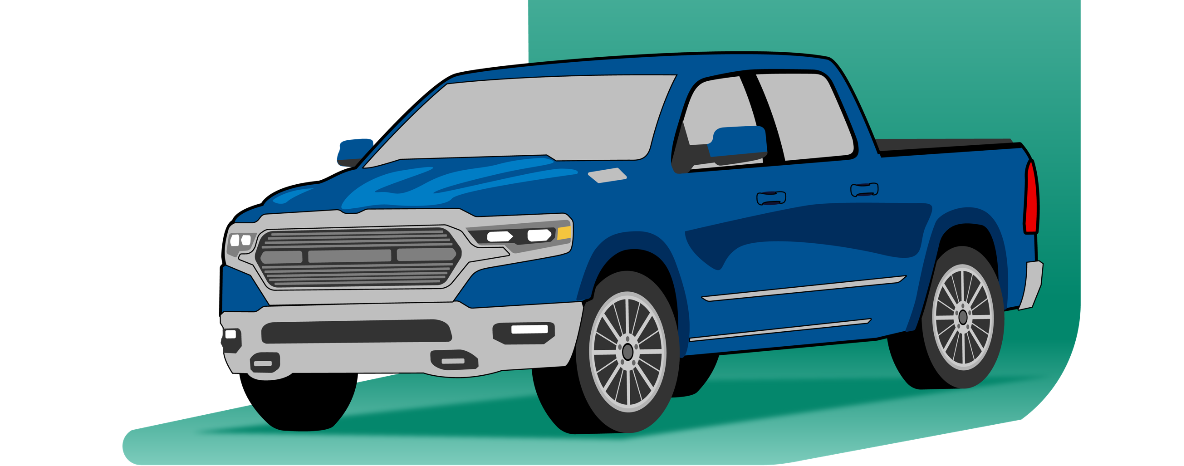
Full-size trucks often depreciate more slowly than predicted, especially when supply is tight and demand stays high. Ram 1500 models are commonly leased and commonly considered for buyouts at lease end.
Truck owners also tend to rack up mileage. Buying out a lease can eliminate excess mileage penalties that would otherwise apply at turn-in.
For Ram drivers, the question is often less about whether a buyout is allowed and more about whether the payoff amount makes sense compared to replacement costs.
Dodge and Chrysler Lease Buyouts: Still Worth Reviewing
Dodge and Chrysler leases do not show up in buyout discussions as often as Jeep and Ram, but that does not mean they should be ignored.
Sedans, performance trims, and limited production models can still present equity opportunities depending on the lease terms and market conditions at the time of buyout.
As with any Stellantis lease, the only way to know is to compare the residual value to current market pricing and factor in fees you would pay if you returned the vehicle.
Stellantis Brand-Specific Buyout Quirks
While Stellantis Financial Services generally allows lease buyouts, drivers should be aware of a few common complications:
Dealership Involvement
Some Stellantis buyouts are processed through dealerships, which can introduce additional
fees, upsells, or delays. Dealer participation varies by state and by lease structure.
Third-Party Buyout Rules
Policies around third-party buyouts can change. Some drivers discover late in the process that selling a leased Stellantis vehicle to an outside company is more complicated than expected.
State-Specific Paperwork
Title transfers, tax treatment, and registration requirements vary by state. These differences can impact timelines and total costs.
Lease End is built to account for these variations without requiring drivers to navigate them on their own.
When Buying Out a Stellantis Lease Makes Sense
Buying out a Stellantis lease often makes sense when:
- The vehicle fits your lifestyle and needs
- You are near or over your mileage allowance
- Your residual value is lower than market value
- You want to avoid disposition and wear fees
- Replacing the vehicle would cost more than keeping it
Even when the residual value is close to market value, avoiding turn-in fees and starting over costs can tip the scales toward a buyout.
Lease End helps drivers evaluate these factors in one place rather than piecing them together from dealerships, banks, and forums.
Financing a Stellantis Lease Buyout
Most drivers do not pay cash for a lease buyout. They use a lease buyout loan.
This is where many people get stuck.
Finding the official payoff, comparing loan rates, and handling DMV paperwork can quickly turn into a time-consuming process. It is also where many dealerships add unnecessary complexity.
Lease End simplifies this by:
- Pulling the official payoff from Stellantis Financial Services
- Showing competitive lease buyout loan options
- Handling title and registration logistics
- Keeping the process fully online
Lease End Stats and Why They Matter
Lease End works with tens of thousands of lease buyouts across manufacturers, including Stellantis brands. That volume allows Lease End to recognize patterns in residual values, mileage behavior, and loan structures that individual drivers cannot easily see on their own.
That data helps inform clearer buyout guidance and more efficient loan matching. Check out our free tools built on our massive proprietary dataset:
The goal is not to push every driver into a buyout. It is to help drivers understand whether buying makes sense before they return a vehicle that may still have value.
Final Thoughts for Stellantis Drivers
If you lease a Jeep, Dodge, Ram, or Chrysler, returning your vehicle should never be your default move.
Stellantis leases often contain buyout opportunities, but the details matter. Residual values, fees, mileage, state rules, and financing terms all play a role.
Before you make a decision, take a few minutes to run the numbers.
Contact us to see your payoff, explore lease buyout loan options, and decide whether keeping the vehicle you already know makes more sense than starting over.
Contact us to see your payoff, explore lease buyout loan options, and decide whether keeping the vehicle you already know makes more sense than starting over.